Compare Local Contractors for Gutter Rerouting Services
Compare local contractors for gutter rerouting to clarify project scope, verify experience, and establish clear expectations before hiring.
Gutter rerouting involves adjusting or relocating existing gutter systems to improve drainage, prevent water damage, or accommodate changes to a property's structure. This work typically covers evaluating the current gutter layout, designing a new routing plan, and installing the necessary components to ensure effective water flow away from the building. Proper rerouting can help address issues like pooling water near foundations, overflowing gutters, or gutters that no longer align with the property's changing landscape or roofline.
Clearly defining the scope of gutter rerouting work is essential to ensure that all parties have aligned expectations. A detailed scope might include specific areas to be rerouted, the types of materials to be used, and any additional modifications needed to connect the gutters to downspouts or drainage systems. Having this clarity in writing helps property owners avoid misunderstandings, ensures that the project covers all necessary aspects, and provides a basis for evaluating bids or proposals from different contractors.
When comparing local contractors for gutter rerouting, property owners should consider experience with similar projects, the thoroughness of their proposed scope, and their reputation within the community. It’s advisable to ask for references or examples of past work to gauge the quality of service. Additionally, verifying that contractors are transparent about their approach and willing to put their scope of work in writing can help establish clear expectations. This approach supports making an informed decision and finding a service provider capable of handling the specific requirements of gutter rerouting effectively.
Compare local contractors by outlining project priorities, verifying experience, and setting clear expectations in writing.
- Compare Contractor Experience - review the backgrounds of local contractors to ensure they have relevant experience with gutter rerouting projects.
- Define Project Scope Clearly - specify the work needed and expectations in writing to prevent misunderstandings.
- Verify Qualifications and References - check references and past work to assess the quality and reliability of service providers.
- Request Detailed Written Estimates - obtain comprehensive descriptions of work to understand what is included and avoid surprises.
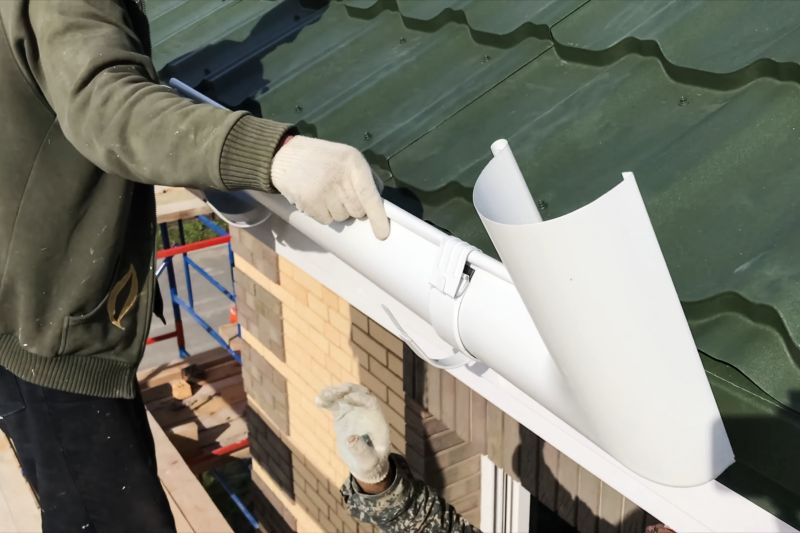
Clearly define your gutter rerouting project and compare local contractors based on experience and scope.
- Verify experience and expertise in gutter rerouting projects to ensure the contractor can handle the scope of work. - Ensure service providers clearly define the scope of work, including materials and specific rerouting details, in written agreements.
- Compare multiple local contractors to assess their qualifications and approach to gutter rerouting jobs. - Look for reviews or references that highlight successful gutter rerouting projects similar to the desired scope.
- Check that contractors inspect the existing gutter system and property layout before providing a detailed plan. - Confirm that the scope includes assessing potential challenges and planning for proper drainage and support.
- Confirm that the scope of work and project expectations are documented in writing to prevent misunderstandings. - Ensure the contract specifies responsibilities, materials, and any warranties or guarantees offered.
- Assess the contractor’s approach to integrating rerouted gutters with existing roofing and landscaping features. - Look for service providers who consider the overall property drainage and aesthetic compatibility.
- Request clarification on the process and methods used for rerouting gutters to ensure they meet local building standards. - Make sure the scope covers installation techniques, materials, and any necessary permits or inspections.
Use this as a starting point to compare local contractors, clarify scope, and set clear expectations.




Learn how to compare local contractors for gutter rerouting by defining scope, verifying experience, and setting clear expectations.
- Scope Definition - Clearly outline the specific areas where gutter rerouting is required, including the extent of rerouting and any structural considerations.
- Material Specifications - Determine the types of materials to be used for the new gutter sections and related components.
- Design and Layout - Establish the desired gutter flow direction, pitch, and positioning to ensure proper drainage and functionality.
- Experience Verification - Confirm that local contractors have relevant experience with gutter rerouting projects similar in scope and complexity.
- Written Agreement - Ensure all project details, including scope, materials, and expectations, are documented in a formal agreement before work begins.
When evaluating contractors for gutter rerouting projects, it’s important to consider their experience with similar types of work. Homeowners should inquire about the number of gutter rerouting projects the service provider has completed and whether they have handled projects comparable in scope and complexity. A contractor with a proven track record in rerouting gutters on homes with similar rooflines, architectural features, or landscape conditions is more likely to understand the unique challenges involved and deliver a satisfactory outcome. Gathering details about past projects can help ensure the contractor’s expertise aligns with the specific needs of the home.
Clear communication about the scope of work is essential when comparing contractors. Homeowners should seek detailed, written descriptions of what the project will entail, including the materials to be used, the specific areas where gutters will be rerouted, and any additional work such as reinforcement or adjustments to downspouts. A well-defined scope helps prevent misunderstandings and provides a basis for comparing proposals objectively. Service providers who can articulate the project details clearly and in writing demonstrate professionalism and transparency, making it easier to evaluate their approach and ensure expectations are aligned.
Verifying the basics of a contractor’s qualifications involves understanding their approach to project planning and quality assurance. Homeowners should ask how the contractor plans to verify that the rerouting will function properly and meet the home’s drainage needs. While formal licensing and certification are not the focus here, it is helpful to learn about the contractor’s methods for assessing site conditions, ensuring proper installation, and addressing potential issues such as water flow or structural considerations. Clear communication about verification procedures provides confidence that the project will be handled thoroughly and thoughtfully.
When comparing options for gutter rerouting, it’s beneficial to evaluate how each service provider approaches the project and how well their proposals address the homeowner’s specific situation. This includes reviewing the scope of work, understanding the proposed methods, and assessing the clarity of the written plan. Homeowners should look for consistency and detail in the proposals, as well as transparency about the process. By focusing on experience, scope clarity, and verification practices, homeowners can make informed decisions that align with their project goals and ensure the work is managed professionally and effectively.
Ask contractors to provide written scope details to ensure clear expectations and consistent project understanding.
- Experience and Expertise - What specific experience do local contractors have with gutter rerouting projects similar to this one?
- Scope of Work - How do contractors define and outline the scope of gutter rerouting services to ensure clarity?
- Materials and Methods - What materials and techniques do service providers plan to use for the rerouting to meet your needs?
- Project Expectations - How do local contractors communicate what is included and excluded in the gutter rerouting scope?
- Comparison Factors - What criteria should be used to compare different contractors’ approaches and scope definitions?
What should I consider when comparing gutter rerouting contractors? It's important to review their experience with similar projects, verify references or reviews, and ensure they clearly define the scope of work in writing to set proper expectations.
How can I ensure a contractor understands my gutter rerouting needs? Clearly communicate your specific requirements and ask the contractor to provide a detailed written plan outlining the work to be performed.
What questions should I ask a gutter rerouting contractor before hiring? Inquire about their previous experience with rerouting projects, request examples of past work, and confirm that the scope of work will be documented in a written agreement.
How important is experience when selecting a gutter rerouting service provider? Experience can help ensure the contractor is familiar with proper techniques and common challenges, contributing to a smoother project execution.
What steps can I take to compare different gutter rerouting contractors? Review their credentials, ask for detailed scope of work in writing, compare their project approaches, and check references or reviews from previous clients.
Why is it recommended to have the scope of work documented in writing? Having a written scope helps clarify expectations, prevent misunderstandings, and provides a reference for the project's agreed-upon tasks and responsibilities.
This page has provided an overview of what to consider when choosing contractors for gutter rerouting, including how to define the scope of work, verify experience, and set clear expectations in writing. Understanding these key points can help in making informed comparisons among service providers and selecting the right local contractors for the job.
To explore your options and find qualified service providers, use the quote form to compare local contractors. Gathering information through this process can assist in making well-informed decisions tailored to your project needs.