Thermal Siding Installation in West Hartford, CT
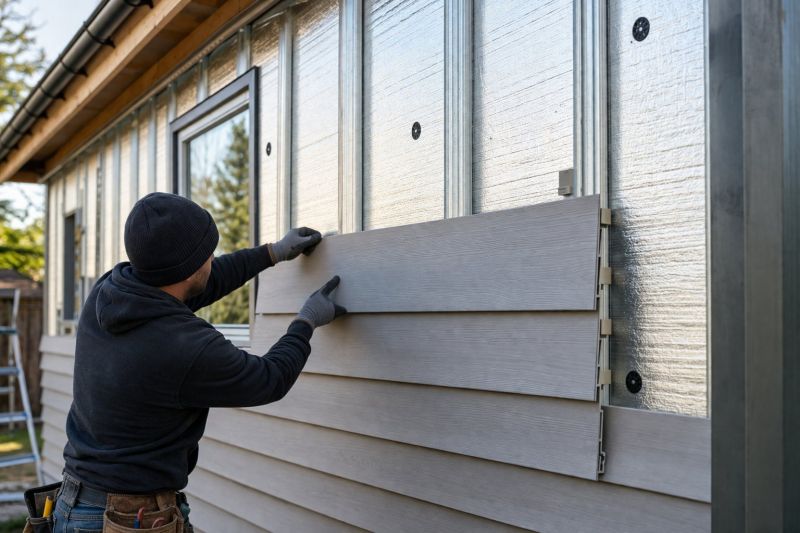
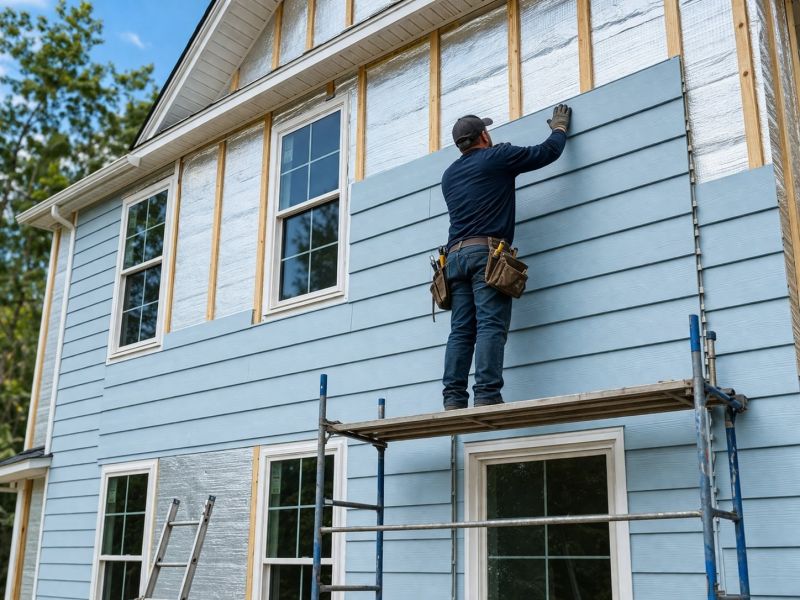
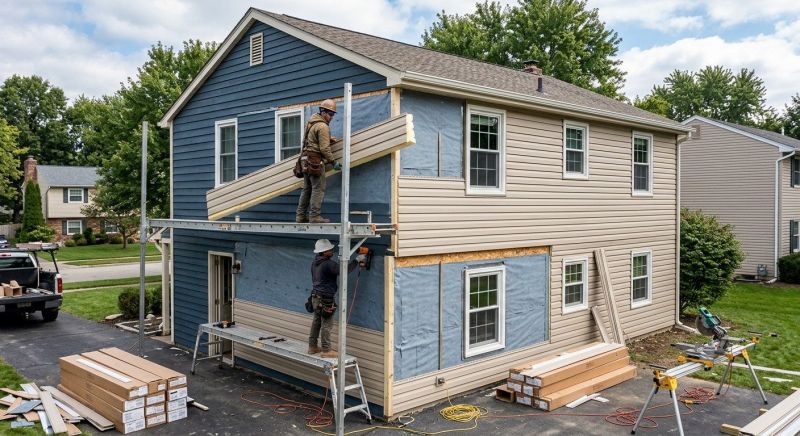
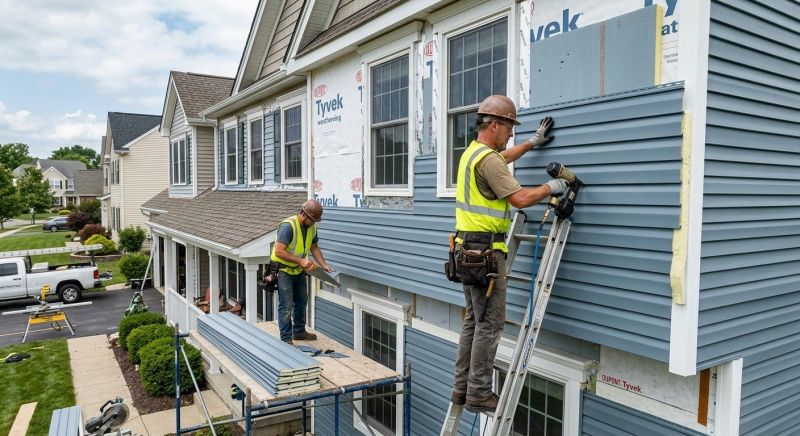
Thermal siding installation involves attaching specially designed siding materials to the exterior of a property to improve energy efficiency and enhance curb appeal. This service covers a variety of siding options, such as vinyl, fiber cement, and insulated panels, suitable for residential homes and small commercial buildings. Property owners often seek thermal siding to reduce heating and cooling costs, protect against weather elements, and update the appearance of their property. Before requesting installation, it’s helpful to understand the different types of siding available, the compatibility with existing structures, and any local building codes or regulations that may apply.
Homeowners typically want to know about the durability, maintenance requirements, and insulation properties of different siding materials. They may also inquire about the installation process, potential impact on existing exterior features, and the overall benefits of upgrading to thermal siding. Clarifying these aspects can help property owners make informed decisions, ensuring the chosen siding meets both aesthetic preferences and functional needs for their property.
Many property owners in West Hartford, CT look into Thermal Siding Installation for repairs, replacements, upgrades, and appearance-related improvements.
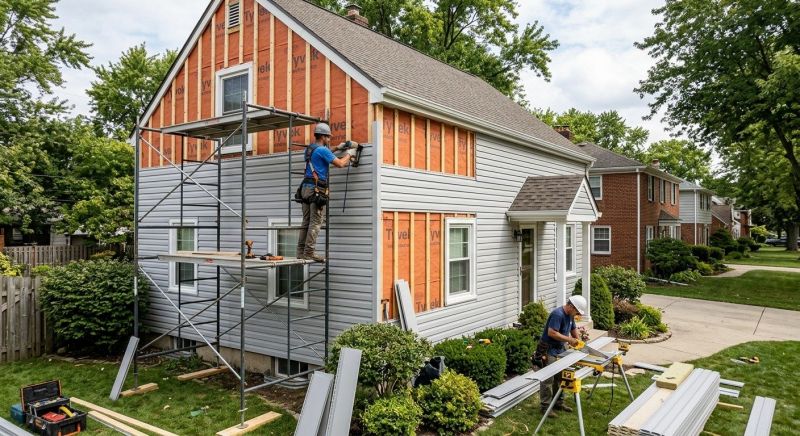
Enhanced Insulation
Thermal siding helps improve your home's energy efficiency and reduce heating and cooling costs.
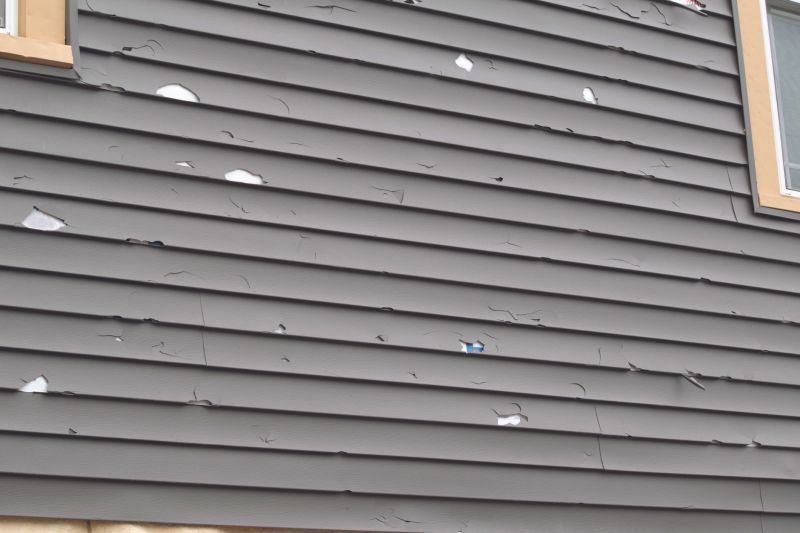
Durable Exterior Protection
Installing thermal siding provides a weather-resistant barrier that shields your home from the elements.
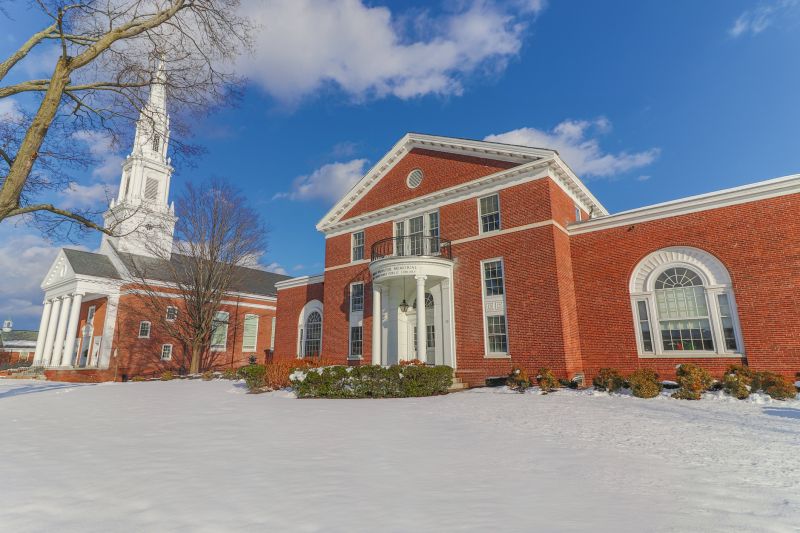
Aesthetic Appeal
Thermal siding offers a variety of styles and colors to enhance the curb appeal of homes in west hartford and nearby areas.
Thermal Siding Installation in West Hartford, CT
Thermal siding installation involves attaching specially designed siding materials to the exterior of a property to improve energy efficiency and enhance curb appeal. This service covers a variety of siding options, such as vinyl, fiber cement, and insulated panels, suitable for residential homes and small commercial buildings. Property owners often seek thermal siding to reduce heating and cooling costs, protect against weather elements, and update the appearance of their property. Before requesting installation, it’s helpful to understand the different types of siding available, the compatibility with existing structures, and any local building codes or regulations that may apply.
Homeowners typically want to know about the durability, maintenance requirements, and insulation properties of different siding materials. They may also inquire about the installation process, potential impact on existing exterior features, and the overall benefits of upgrading to thermal siding. Clarifying these aspects can help property owners make informed decisions, ensuring the chosen siding meets both aesthetic preferences and functional needs for their property.
Many property owners in West Hartford, CT look into Thermal Siding Installation for repairs, replacements, upgrades, and appearance-related improvements.
Common Thermal Siding Installation Jobs
Residential siding upgrades - improve insulation and curb appeal with new thermal siding.
Exterior wall replacements - enhance energy efficiency by installing thermal siding on existing structures.
Home weatherization projects - seal and insulate with thermal siding to reduce heating and cooling costs.
Historic property renovations - preserve character while adding modern thermal siding for better insulation.
New construction siding - incorporate thermal siding into new builds for long-term energy savings.
Commercial property siding - upgrade business exteriors with durable thermal siding for improved insulation.
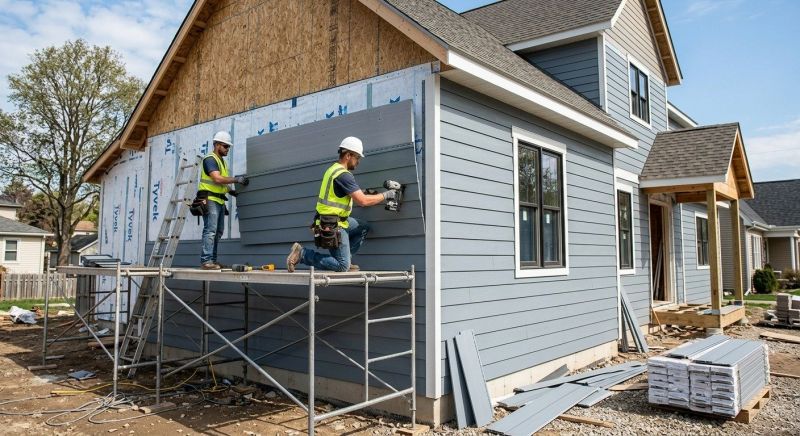
Thermal Siding Installation Questions
What is thermal siding installation? It involves attaching insulated siding materials to improve a building's energy efficiency and exterior appearance.
What types of properties benefit from thermal siding? Residential homes and commercial buildings seeking better insulation and exterior durability often choose this service.
How does thermal siding improve energy efficiency? It adds a layer of insulation that reduces heat transfer, helping to maintain indoor temperatures more effectively.
What materials are used for thermal siding? Common options include insulated vinyl, fiber cement, and composite sidings designed for thermal performance.
Request Thermal Siding Installation in West Hartford, CT
Use the quote form on this page to share the basics of your project and request more information for the type of work you need.